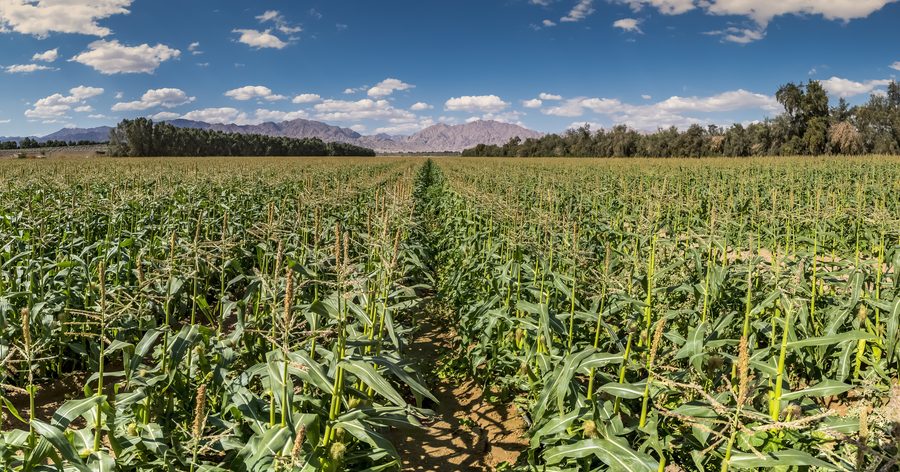
In field testing at a Qatar Government farm, PaquaVida treated T4 wastewater contaminated with bacteria at 190 CFU/mL, and eliminated it completely. The trial unlocked safe agricultural irrigation, livestock hydration, and human hygiene applications from water that would otherwise have been discarded.
Sector
Agriculture & circular water economy
Location
Al Baida Farm, Doha, Qatar
Source Water
T4 treated wastewater with Total Bacterial Count of 190 CFU/mL
Goal
Validate PaquaVida's ability to deliver microbiologically safe water from tertiary-treated effluent in GCC conditions
The Challenge
GCC nations actively seek sustainable alternatives to desalinated water. T4-treated wastewater is plentiful, but residual microbiological risk (exacerbated by warm climates where bacterial regrowth occurs rapidly) keeps it from being used for crops, livestock, or hygiene applications.
The Qatar Government's Al Baida Farm provided an ideal real-world test: a T4 sample showing a Total Bacterial Count of 190 CFU/mL, in an environment with 24°C+ ambient temperatures.
The Solution
The PaquaVida unit treated the T4 wastewater sample using its standard purification process, with PaquaLyte injected automatically as part of the disinfection stage. Following treatment, microbiological levels were completely eliminated, full-spectrum microbial removal from previously unsafe water.
Critically, the disinfection persisted: PaquaLyte residue in the treated water means stored output remains safe from future contamination, even in tanks subject to GCC heat.
PaquaVida is redefining water reuse in the Middle East. The results unlock safe agricultural irrigation, animal hydration and hygiene applications, from water previously considered unusable.Paqua field trial teamIn partnership with the Ministry of Municipality and Environment, Qatar
The Outcome
The Al Baida Farm trial validates PaquaVida as a key technology for GCC water security, enabling safe reuse of T4 wastewater for food crops, livestock, and human hygiene. It supports decentralised resilience planning, climate adaptation, and circular water economy goals across the region.
Frequently asked questions
Quick answers about the Al Baida Farm, Doha deployment.
Can PaquaVida make treated wastewater safe to reuse?
Yes. At Qatar's Al Baida Farm, PaquaVida treated T4 wastewater with a bacterial count of 190 CFU/mL and eliminated it completely, producing water safe for agricultural irrigation, livestock and human hygiene.
Does PaquaVida work in extreme heat like the GCC?
Yes. The Al Baida trial ran in ambient temperatures above 24 degrees, and the PaquaLyte disinfection residual keeps stored water safe from re-contamination even where GCC heat drives rapid bacterial regrowth.
What is T4 water and why treat it?
T4 is tertiary-treated wastewater, plentiful in the GCC but usually unsafe for reuse because of residual bacteria. PaquaVida removes that microbial risk, unlocking it for crops, animals and hygiene rather than discharge.